How Stream Restoration Strengthens Local Infrastructure
Restoring and stabilizing streams does far more than protect the environment‒it strengthens the foundations of our roads, bridges, and communities. Stream restoration combines engineering and ecology to reduce erosion, control flooding, and improve water quality, turning vulnerable waterways into resilient systems that protect both people and infrastructure. In this article, MTM explores how restoring the natural balance of streams supports long-term community healthy, economic sustainability, and infrastructure reliability.
Why It Matters
Streams and rivers naturally shift over time, sculpted by flowing water, sediment movement, and seasonal change. When human development accelerates the changes‒through agriculture. Roadway contraction, or urban sprawl–the result is increased erosion, polluted runoff, and loss of habitat. Deteriorating stream systems don’t just harm vital ecosystems; they weaken the infrastructure that communities depend on every day.
In both rural and urban areas, stormwater runoff can overwhelm drainage systems and carry trash, oils, and chemicals into waterways. This compounds ecological stress while eroding streambanks. The result is cleaner water, rejuvenated habitats, and safer infrastructure that can better withstand unpredictable weather events.
The Challenge
Stream restoration projects often begin with conditions that make construction and environmental balance difficult. Common issues include excess surface runoff from paved areas that limit infiltration, leading to “flashy” streams‒channels that rise and fall rapidly in response to rain. This causes bank collapse, sediment buildup, and loss of aquatic habitats.
Another challenge is degradation of habitat features such as pools, riffles, and backwaters, which are essential for fish and invertebrates. Insufficient vegetation along streambanks can cause further instability, land loss, and degraded water quality. At the same time, ongoing land use and impervious development accelerate the cycle of erosion and siltation, complicating restoration efforts.
The Solution
Through environmental construction and engineering collaboration, MTM Enterprises approaches stream restoration with sustainability and stability as guiding principles. Each project starts with a detailed assessment of hydrology, sediment balance, and floodplain function to design a system that mimics natural processes.
Key restoration strategies include:
Managing Stormwater Runoff: Increasing floodplain connectivity allows water to spread and slow naturally during high-flow events.
Rebuilding Natural Meanders: Reestablishing the stream’s curves helps dissipate flow energy reducing lateral erosion.
Balancing Sediment: Evaluating sediment load ensures excessive buildup nor scouring, creating a stable equilibrium.
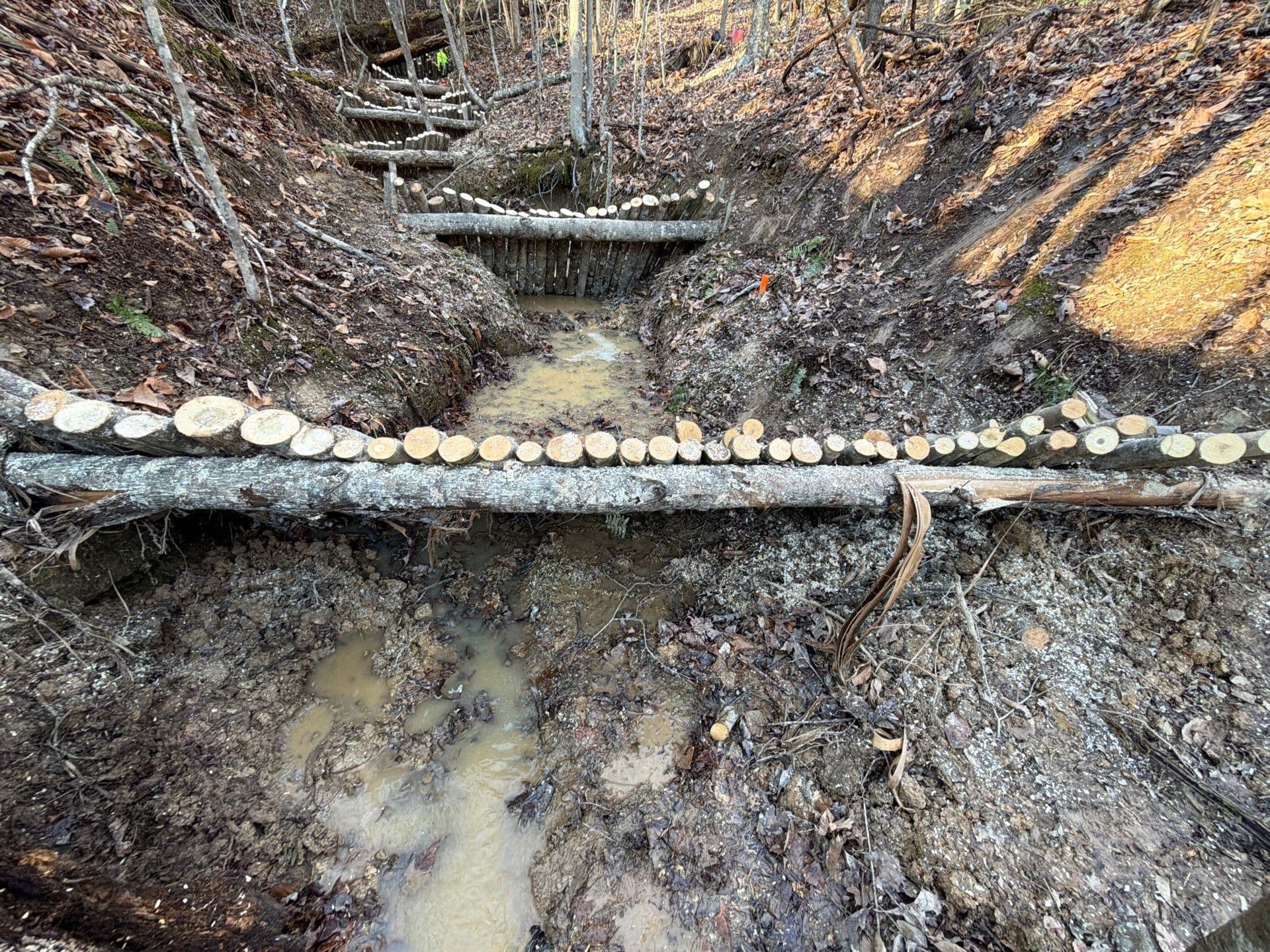
Restoring Habitats: Incorporating features like boulders, woody debris, and diverse plantings supports aquatic life and stabilizes flow.
Stabilizing Banks: Native plants with deep roots provide structure and safe, while reinforced riprap is used only where flows are extreme.
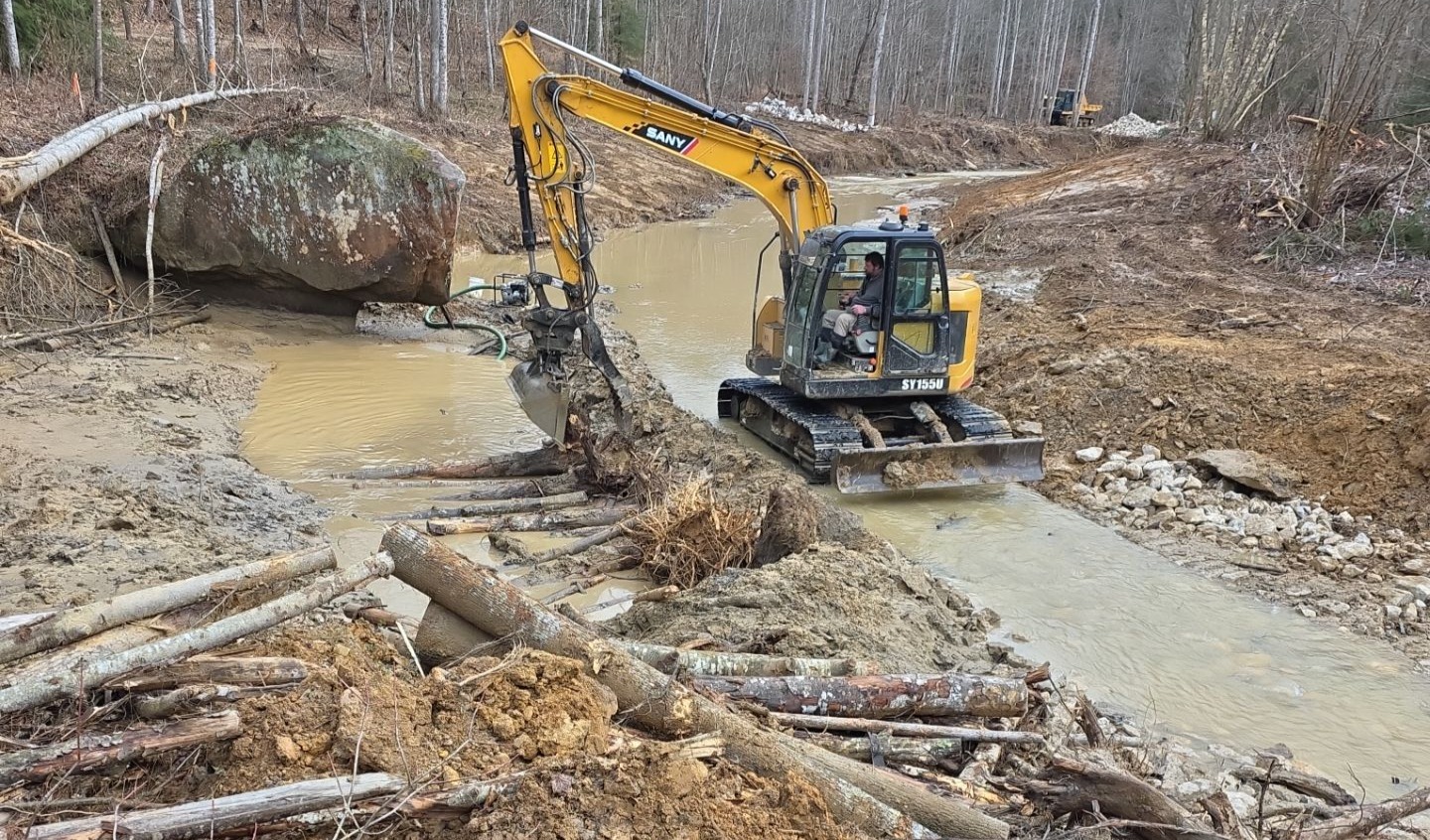
In a recent MTM project at Broke Leg Falls in Ezel, KY, debris that was restricting the natural flow of the stream was removed, and we reshaped the stream’s curves to restore its natural pathways. This work addressed barriers that had been impeding the stream’s ability to flow freely, helping to improve water flow and ecosystem health.
The Impact
Well-designed stream restoration provides measurable improvements in infrastructure resilience and environmental health:
Reduced flood damage and sediment loss protect critical transportation routes.
Long-term maintenance costs decline as banks and culverts remain stable.
Water quality improves, benefiting recreating and animal life.
Healthy riparian zones restore biodiversity and strengthen ecosystems
Projects like these have shown that proactive restoration can save municipalities millions in long-term infrastructure repairs while enhancing public spaces for recreation and habitat protection.
At MTM, every restoration is an investment in the future ‒ designed to keep waterways clean, stable, and ready to serve both people and nature for decades to come.
Photo Gallery